The Unsung Hero of Your Wine Glass: A History of the Wine Cork
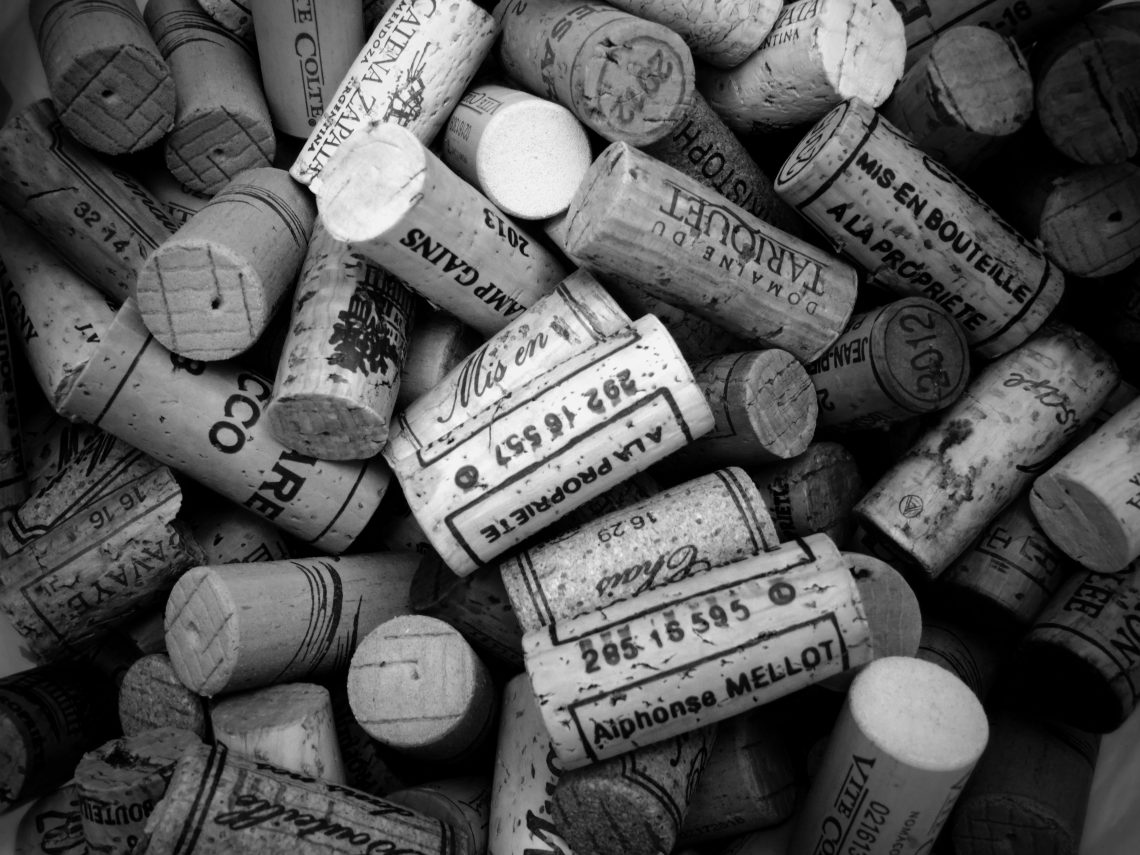
Ok I know this is not really about oak … but every great wine experience starts with a sound, the satisfying pop of a cork being pulled. It’s a ritual that has defined wine culture for centuries, but have you ever wondered how we got here? Long before the modern, convenient wine bottle, the way we sealed our favorite vintages was a messy and problematic affair.
The history of the wine cork is a cool journey of innovation, necessity, and a little bit of myth-busting.
Back in Ancient Egypt, Greece, or Rome, you wouldn’t find a single cork in the lands. Instead, winemakers stored their liquid treasures in porous clay amphorae, keeping the wine from spoiling. They relied on basic stoppers made of clay, wax, resin, or sometimes rags soaked in olive oil.
These methods were far from airtight. They kept out bugs and dust out, but struggled to prevent oxidation, meaning wine had to be consumed withing a couple of days at most. For centuries, the idea of aging a wine in a bottle simply wasn’t an option.
The transition to the cork we know today began in earnest during the mid-17th century. While legend often credits the French monk Dom Pérignon with the invention of the cork stopper, historical records suggest the truth is more of a collective evolution.
At the time, winemakers were still using wooden toggles wrapped in hemp and soaked in fat (tallow) to plug their bottles. These were difficult to remove and prone to leaking. As glass-making technology advanced—particularly in England—bottles became more uniform and durable. Winemakers needed a stopper that was flexible, airtight, and easy to extract. They found their answer in the bark of the Quercus Suber tree, or the Cork Oak tree.
The adoption of cork as a wine stopper was the evolutionary moment for the modern wine industry. Here’s why we still do it today:
Natural Elasticity: Cork can be compressed to fit a bottle neck and then slowly expands to form a near-perfect seal.
Controlled Oxidation: Unlike plastic or metal, cork allows a microscopic amount of oxygen to pass through, which is essential for the slow, beautiful aging process of fine wines.
By the 19th century, with the invention of the corkscrew and the standardization of bottle sizes, the cork was firmly cemented as the industry standard. It became more than just usefull, it became a symbol of quality.
Today, while alternative closures like screw caps and synthetic stoppers have gained popularity for everyday wines, natural cork remains the gold standard for cellaring and fine dining. It represents a connection between nature science and craftsmanship.
Next time you whip pout that cork, take a moment to appreciate the history of a simple oak wine barrel.
You May Also Like
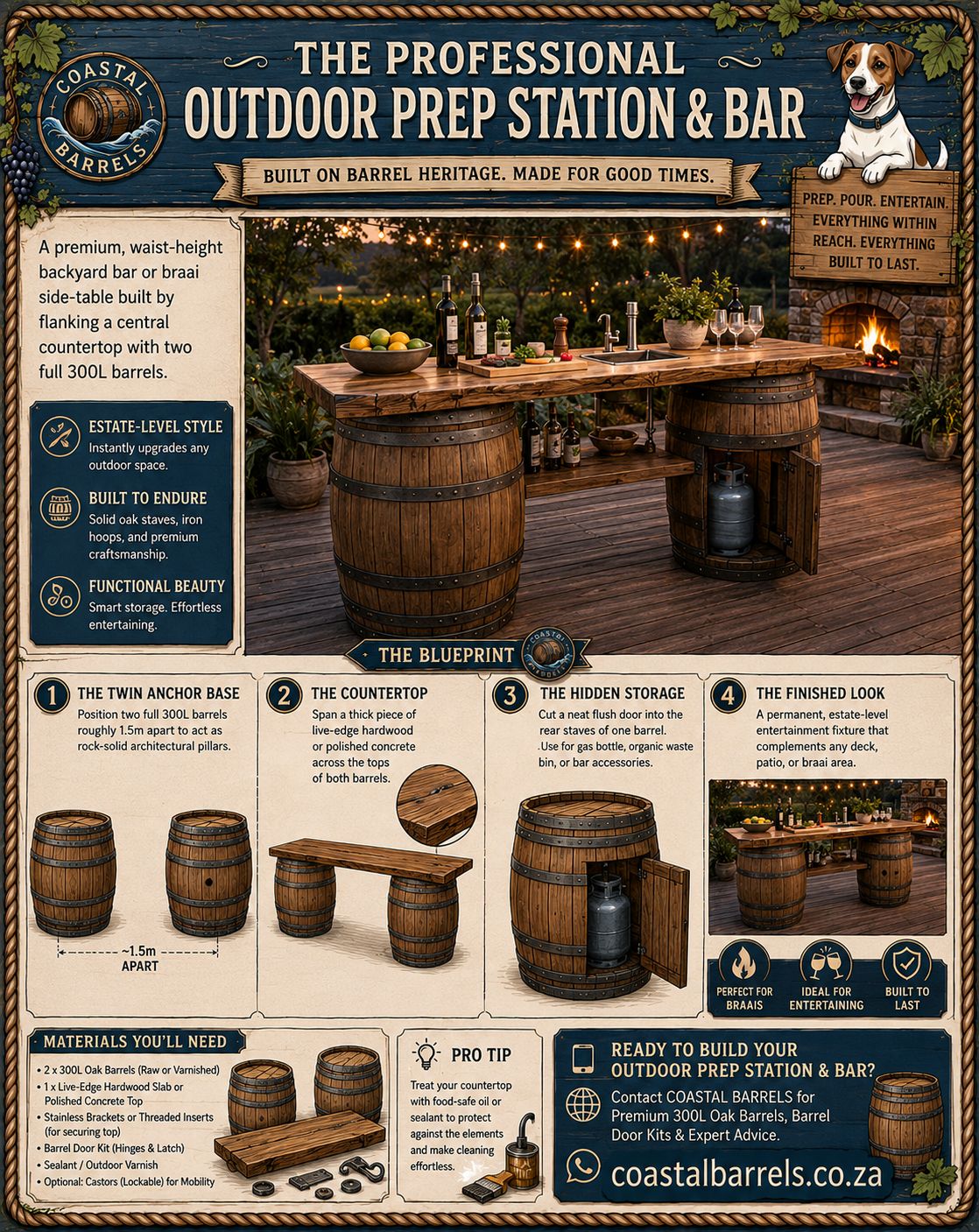
The Ultimate Backyard Bar: A DIY Guide to Building an Estate-Level Prep Station
The Ultimate Guide to Garden Route Outdoor Entertaining: